Fascinating Zamora: its most beautiful villages
• Fascinating Spain
• Castile and León
The north-western of Spain stands out for itstraditions, culture and gastronomy. For that reason, here there are a route for the most beautiful villages of thisprovince.Rural atmosphere and peaceare its most remarkable features, special spots which will fascinate anyone.
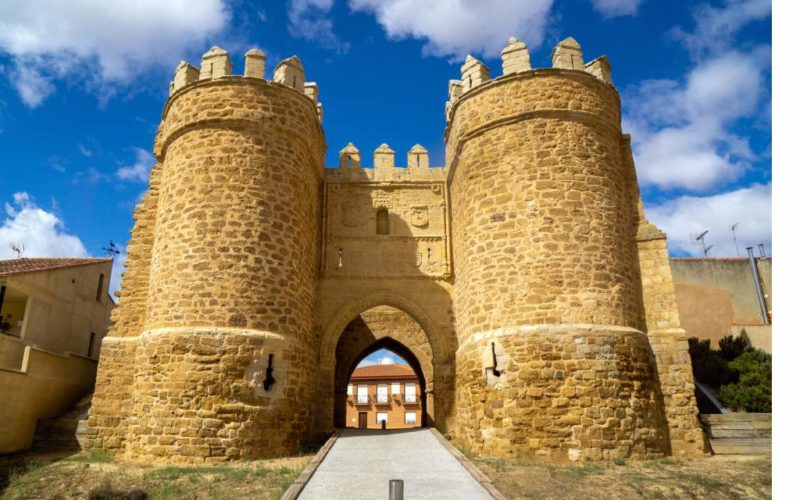 The gate of San Andrés in Villalpando. | Shutterstock
Villalpando
The gate of San Andrés in Villalpando. | Shutterstock
Thismedievalvillage is well-preserved and is notable for the remains of its walled enclosure. It is essential to mention , which was built in the 16thcentury, as well as its amazingchurchesand main square whichis highly representative of the local architecture.
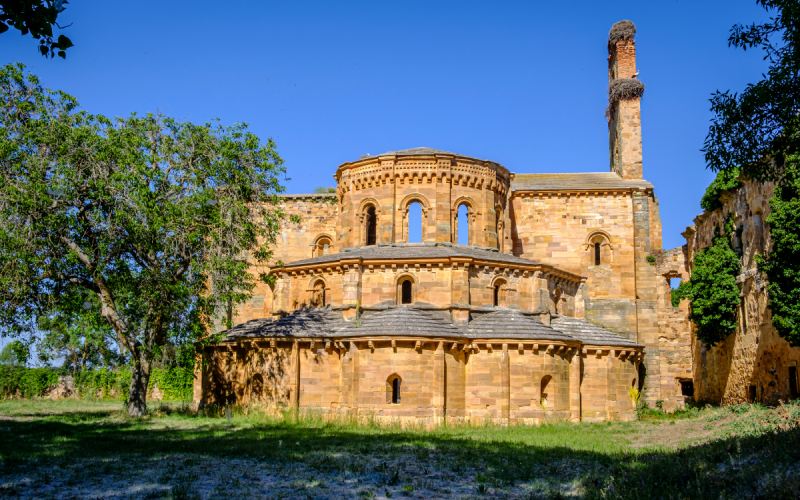 Granja de Moreruela. | Shutterstock
Granja de Moreruela
Granja de Moreruela. | Shutterstock
This little village has just around 300 inhabitants and is located in the centre of the province of Zamora.Monasteryof Santa María de Moreruela, of the Cistercian Order, built in the 12thcentury has a strong influence in this town since its precious remains are still preserved as a reminder of its original beauty. Besides, it is necessary to mentionthe shelter of ‘El Portalón’ with prehistoric paintings.It should also be highlighted that at this point of theWay to Santiagoon the SilverRouteis divided into two options, the classic route to Astorga and the Sanabresa route.
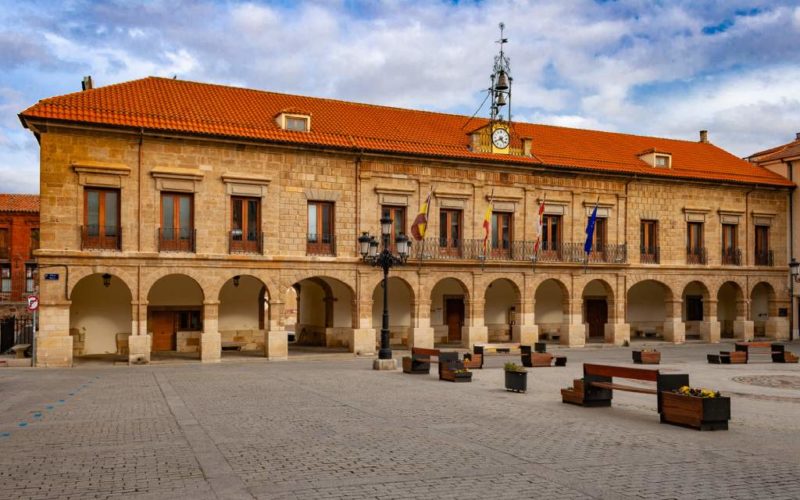 The Council of Benavente. | Shutterstock
Benavente
The Council of Benavente. | Shutterstock
Another beautiful village is Benavente, crossed by the river Órbigo and with very wealth heritage. It is also a place ofpilgrimagetoSantiago de Compostela, in wherea stroll through its Jewish quarter is a must. It is advisable to discover places like the gardens of the Rose Garden and the Meadow Park, as well as a tour of its religious building. For lovers ofHoly Week, there is a specific museum of this festivity.
 Collegiate church of ‘Santa María la Mayor’. | Shutterstock
Toro
Collegiate church of ‘Santa María la Mayor’. | Shutterstock
Maybe, Toro is the most popular village due to its wines’ certificate of origin, however, this town offer other attractions. Thebreath-taking remains of the past which preserves its original colours. Besides, the fortress and the monastery of ‘Sancti Spíritus el Real’ are also great places to visit. And for those who enjoyhiking, the area around the town has an impressive natural heritage.
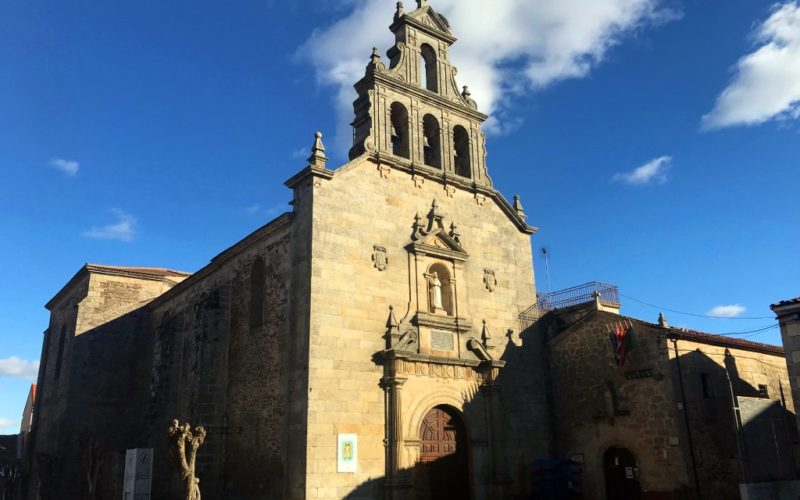 Convent of Alcañices. | Shutterstock
Alcañices
Convent of Alcañices. | Shutterstock
This village is popular because of the Treaty of Alcañices, since it establishedthe borders between Portugal and Castile and León in the 13thcentury.However, Alcañices has more beautiful spots, such as la Torre del Reloj (the Tower of the Clock) inRomanesque style,as well as its incredible natural surroundings.
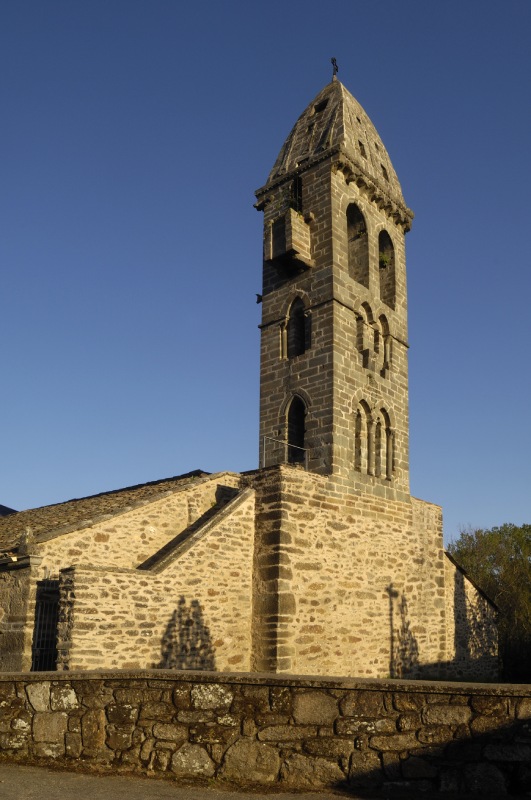 Medieval church of Mombuey. | Shutterstock
Mombuey
Medieval church of Mombuey. | Shutterstock
This is one of the most beautiful villages of Zamora, founded after theReconquest. A perfect destination for those who love hiking sinceit is located near to Sanabria region and to Valparaíso reservoir.It is part of the Camino Sanabrés, so it is also common to see pilgrims enjoying the town. Besides, there is a fortifiestower, which is associated to the Order of the Temple, as well as its charming stone-houses.
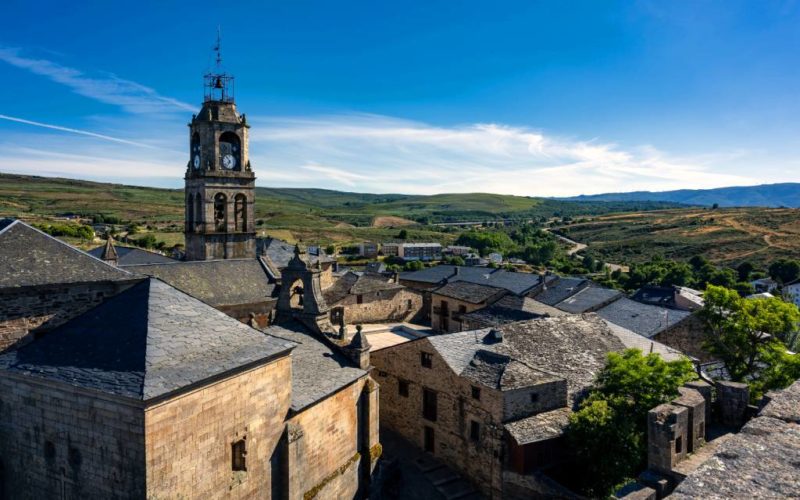 Puebla de Sanabria. | Shutterstock
Puebla de Sanabria
Puebla de Sanabria. | Shutterstock
This village is reallyclosed to Sanabria lake with spectacular landscapes. It is highly recommended to explore its natural surroundings and its historical and artisticheritage, which includes the castle of ‘Los Condes de Benavente’ and the church of ‘Santa María de Azogue’. Obviously, Puebla de Sanabria is a must ofZamora.
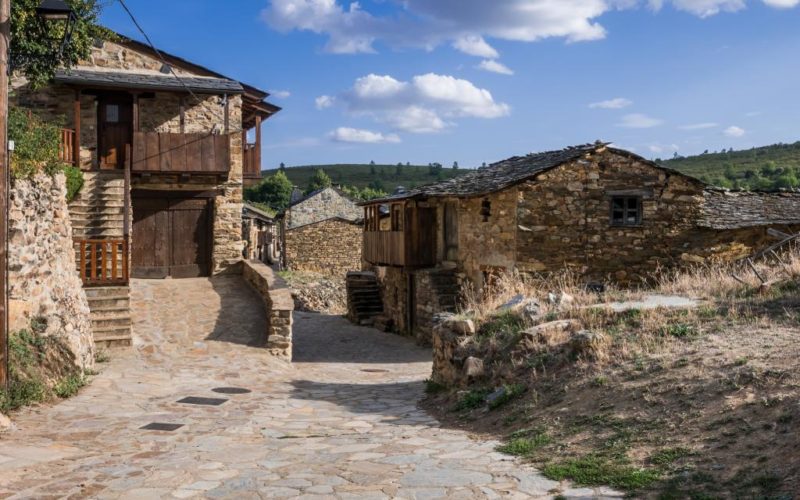 The stony hamlet of mountainous Santa Cruz de los Cuérragos. | Shutterstock
Santa Cruz de los Cuérragos
Santa Cruz de los Cuérragos
The stony hamlet of mountainous Santa Cruz de los Cuérragos. | Shutterstock
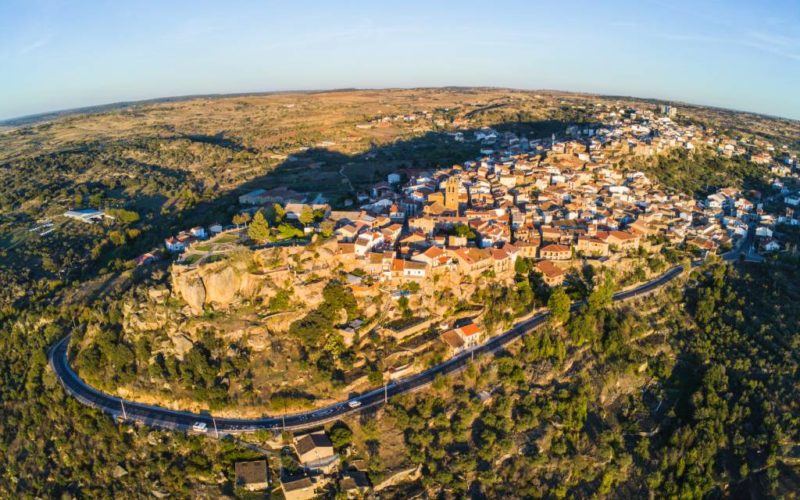 Panoramic view of Fermoselle. | Shutterstock
There are just 11 permanent inhabitants, who could enjoy its historical and architectural heritage. It is considered an ethnological site and you can visit such curious places as thebridgeof ‘Los Infiernos’ or the old mill of the village. Besides, its naturallandscapeis part of the Natural Area of ‘Sierra de la Culebra’ mountain range,which combines stone, woods and slate houses.
Fermoselle
Panoramic view of Fermoselle. | Shutterstock
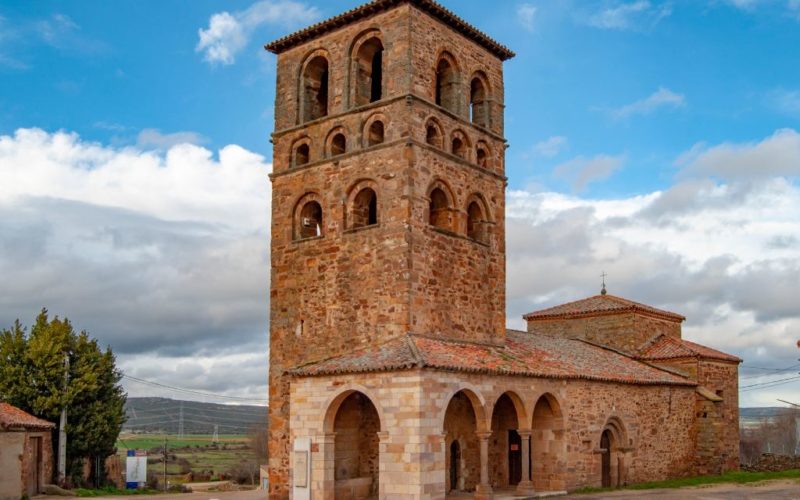 Tower of Santa María de Tábara. | Shutterstock
This village isalso known as the Balcony of the Dueroand stands out for its naturalsurroundings. It is located within the Arribes del Duero Natural Park, a magnificent destination for those visitors who enjoy hiking and nature. The House of the Arribes de Duero Natural Park is the perfect point to get more information about this town, where it is possible to make a tour ofBaroque, Romanesque and Gothic buildings, including the remains of the castle of Doña Urraca.
Tábara
Tower of Santa María de Tábara. | Shutterstock
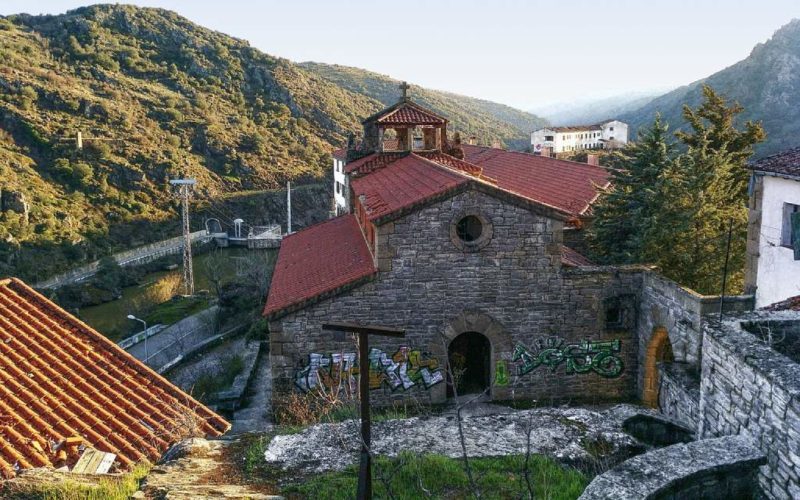 Salto de Castro. | Wikimedia
Tábara is located in a spectacularvalleysurrounded by the mountains of the Sierra de la Culebra, the Sierra de las Cavernas and the Sierra de las Carvas, with just 800 inhabitants. Its historical heritage is made up of several churches and sanctuaries, the most important is the church of Santa María.This village was founded in a Mozarabic monasterywhere the enigmatic woman Ende worked. Besides, it is possible to visit some architectural remains which includescavepaintings.
Salto de Castro
Salto de Castro. | Wikimedia
Salto de Castro has no inhabitants; is for sale!However, it is a fascinating village. It is located in theNatural Parkof Arribes, which makes it as an interesting legacy for the industrial heritage of the 20thcentury. Besides, this abandoned village was used by engineers of the construction of the Duero and Brandilanes.
Источник: Fascinating Spain