The Cantabrian waterfall that wears a wedding veil
• Fascinating Spain
• Cantabria
In Cantabria you can find the spectacularsourceof the river Asón. Located on the Cantabrian coast, this river is part of the Collados del Asón natural park and flows into theCantabrian Seain the town ofSantoña. However, what is most striking is theimpressive 70-metre highwaterfallthat forms in its first phase and falls on the limestone wall of the Soba mountains. It is the highest waterfall inCantabria.
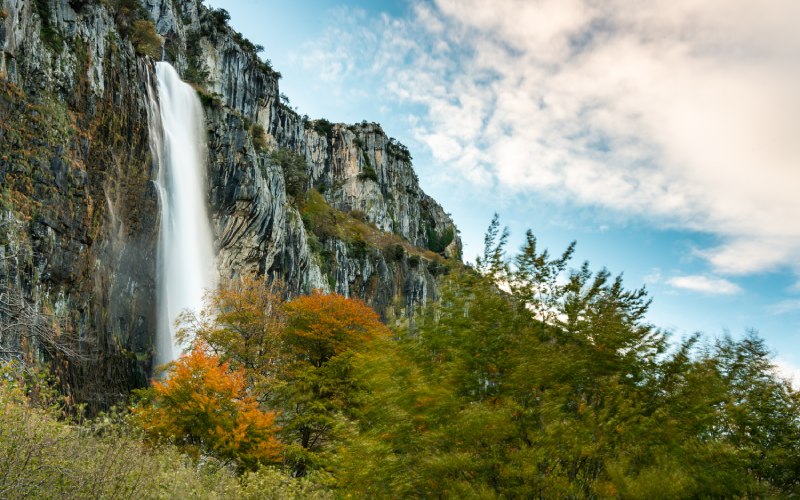 Source of the Asón River in Cantabria. | Shutterstock
Source of the Asón River in Cantabria. | Shutterstock
This waterfall is popularly known asCailaguaand creates an image known as “bridal veil”. It is possible to reach it through a simple route from the municipality of Soba where it is located, and obtain beautiful panoramic views from various viewpoints set up around the source of the Asón River. According to a popular legend, it is actually thesilver hair of ananjana, a character from Cantabrian mythology.
Route to the source of the River Asón
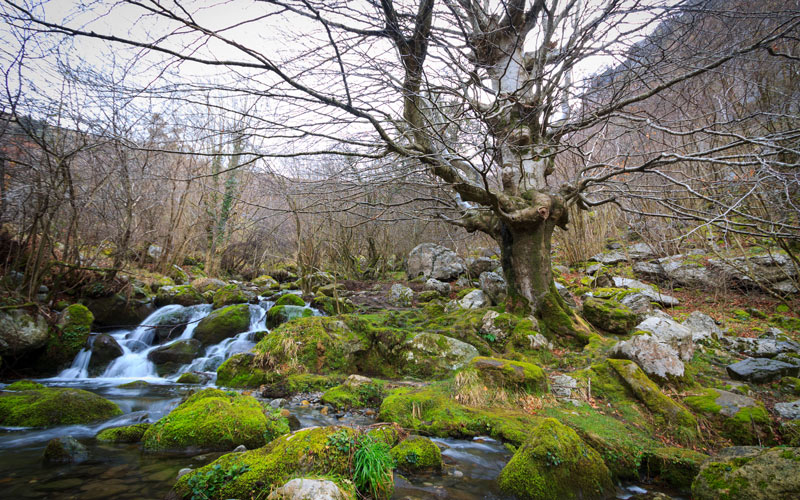 Forest by the Asón River waterfall. | Shutterstock
Route to the source of the River Asón
The journey to the source of the Asón River is almost straightforward and takesseven and a half kilometres, or about three and a half hours. The route is flat at almost all times, so there is no need to worry about the slopes. However, during the last stretch the terrain becomes steeper, having toovercome the rocks and small streams. Even so, it is afairly simple route, where you only have to follow the white and yellow signs placed on the ground along the way.
Forest by the Asón River waterfall. | Shutterstock
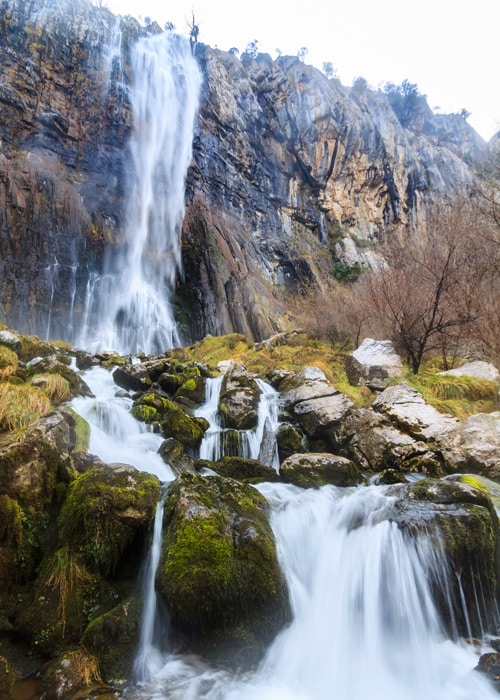 View from the waterfall’s base. | Shutterstock
The best thing about thisrouteis that it is a good option at any time of the year. For example, in spring andsummerthe colours will be brighter but inautumnandwinterthe fog runs along the paths creating aromantic landscape. However, spring is the best time to visit the waterfall, as it is the time when most of the snow melts in the mountains.
To do this walk you have to go to the first spot, the village of Asón, located as we mentioned at the beginning in theSoba valley. Here the route begins, specifically on the right side of the road at the end of the village, taking the detour towards the Casucas de Asón.
View from the waterfall’s base. | Shutterstock
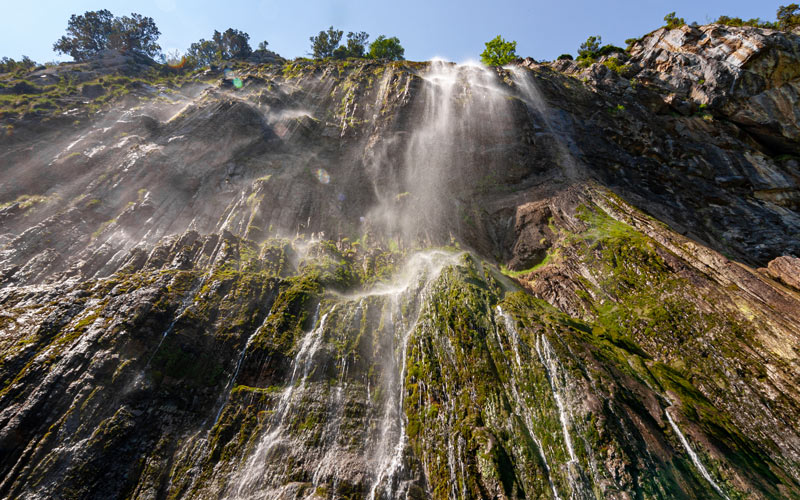 The Cailagua waterfall from below. | Shutterstock
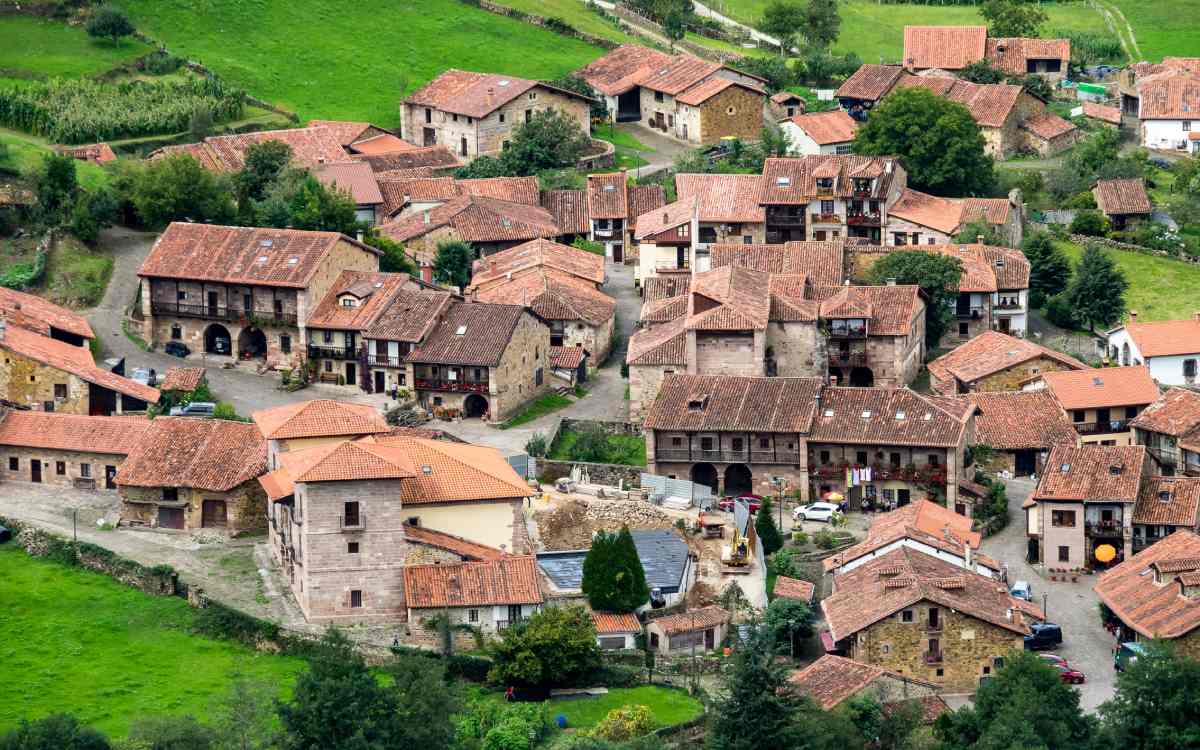
On the route to the source of the Asón River, the flora and fauna are very important. Thus, you will pass through different meadows, although animals can also be seen in some of the fenced spaces for the cattle that have to be crossed. In this way, some parts of the path passbetween cows and other animals.
The Cailagua waterfall from below. | Shutterstock
Along the route you can also see small and largestone housesamong the green pastures. The signs will take the hiker to the end of thewaterfall. Theview of the fall from its base is one of the most impressive. In summer it is a perfect option tocool downa bit with the cold river water.
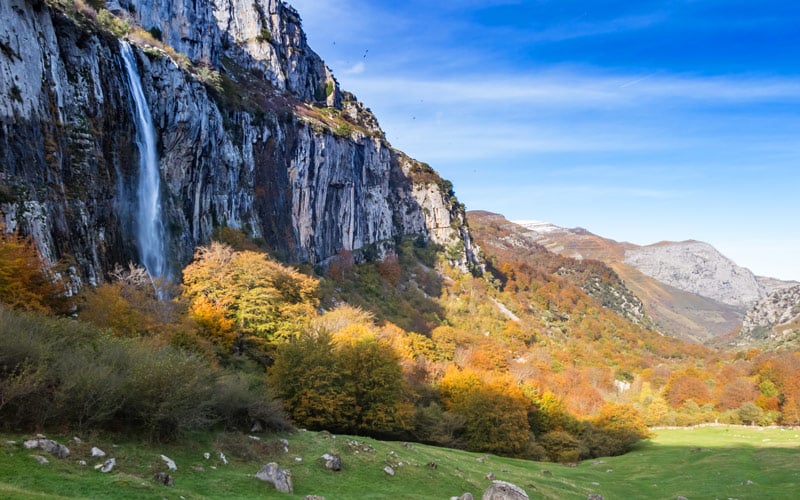 Source of the River Asón. | Shutterstock
Viewpoints from which to contemplate the Cailagua waterfall
Viewpoints from which to contemplate the Cailagua waterfall
Source of the River Asón. | Shutterstock
To complete the route to the source of the Asón River or as an independent option, it is worth noting that there is the possibility of contemplating the waterfall from the same road. This is possible thanks toseveral viewpoints established for this purpose. Theviewpoint of the Collados del Asónoffers panoramic views of the wholemountain area. Very close by is theviewpoint of the Nacimiento del Río Asón;situated on a sharp bend, so extreme care must be taken. This last one has the best views of the waterfall.
Ramales de la Victoria: Cullalvera Cave and Covalanas Cave
Ramales de la Victoria: Cullalvera Cave and Covalanas Cave
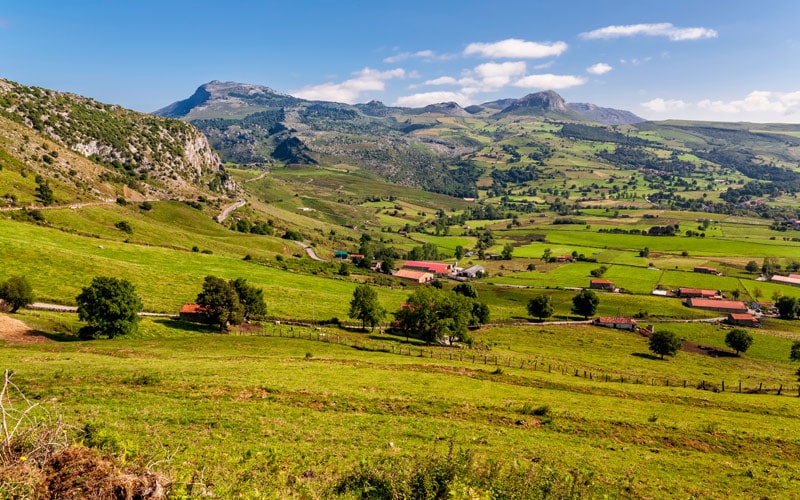 Soba Valley. | Shutterstock
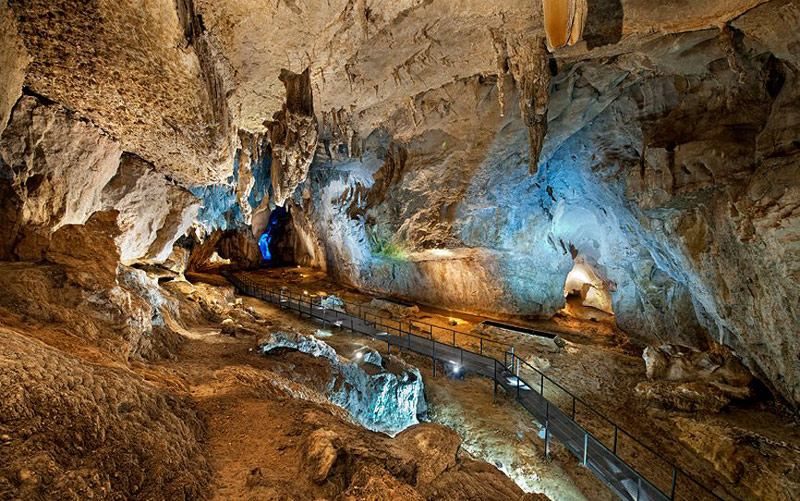
La Cullalvera Cave. |Wikimedia
The village of Ramales de la Victoria is half an hour away by car. If you have some extra time, here you can find the cave of La Cullalvera and the cave of Covalanas. The first one comprises akarstic complex of 12 kilometres where the geological formsare most fascinating. The secondcaveis smaller and is located in the lower section of the Asón river valley. One of its galleries has Palaeolithiccave paintings.
Visitor Centre of the Collados del Asón Natural Park
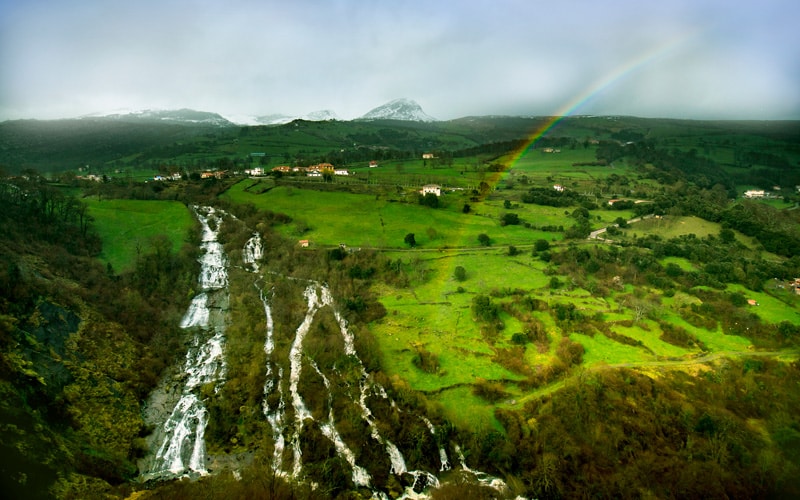 Gándara River Waterfalls. | Shutterstock
Visitor Centre of the Collados del Asón Natural Park
Soba Valley. | Shutterstock
Those who are still strong enough can put the icing on the cake by visiting the Visitor Centreof the Collados del Asón Natural Park; which is located in thevillage of La Gándara, also in the Soba Valley. The centre is perfect for expanding your knowledge thanks to itspermanent exhibitionon the ethnographic and natural values that helped the Collados del Asón to be declared a natural park. The exhibition also highlights the river ecosystems that exist in thevalley;as well as the stocks of Atlantic salmon.
Gándara River Waterfalls. | Shutterstock
But this is not all. The Gándara is another of the gems thatCantabriahides, as the source of the river that gives its name to the village is nearby. The water emerges from the ground in an unexpected way, forming streams of the most spectacular kind. However, the most striking feature is theviewpoint located over the voidnear the visitor centre. From here you can follow a path that runs through extensive meadows and ends at the Mirador de la Reina. From the viewpoint thewaterfalls of the river Gándaraare worthy of a postcard; although it is certainly not a viewpoint suitable for those who suffer from vertigo.
Follow us onFacebook!
Источник: Fascinating Spain