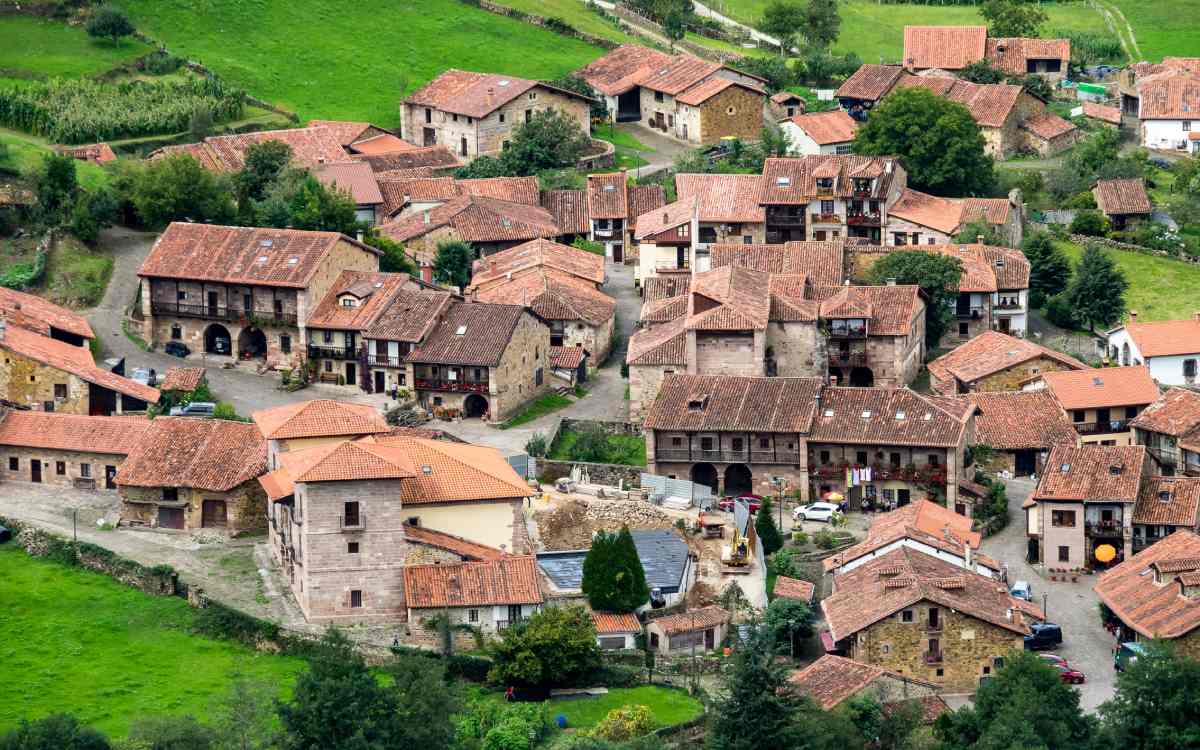
Things to do in Cantabria in three days
• Fascinating Spain
• Cantabria
In the north of Spain, the Cantabrian region offersan almost endless variety of scenarios. Well connected by the A-8, the autonomous community is bordered on the west by theBasque Country, on the south byCastile and León, on the west by the Principality ofAsturiasand on the north by the Cantabrian Sea. Rich in archaeological sites, with excellent cuisine and breathtaking scenery, it offers the visitor a wide range of options. If you have a limited time, here are some suggestions on what to do inCantabriain three days.
Day 1 – From Castro Urdiales to Suances
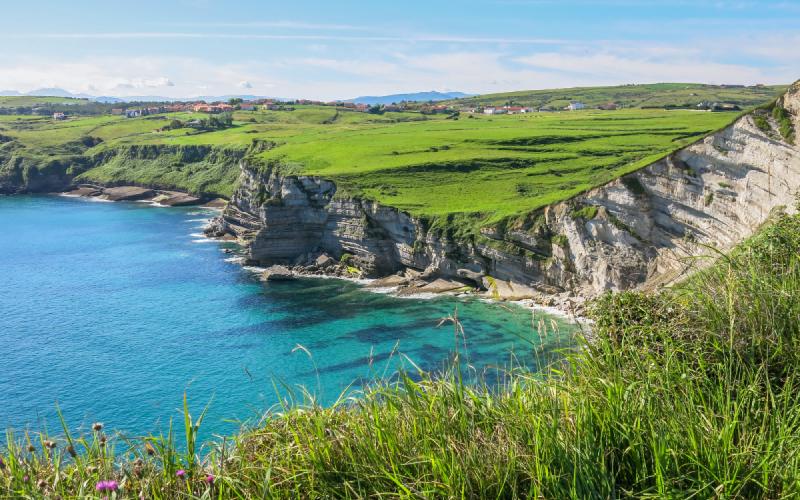 Panoramic view of the coast in Punta Ballota. | Shutterstock
Day 1 – From Castro Urdiales to Suances
Panoramic view of the coast in Punta Ballota. | Shutterstock
The suggestion for the first day focuses on a route at the edge of the sea, coinciding largely with theNorthern Way to Santiago. The Cantabrian coast offers low valleys and a barrier of steep mountains parallel to the ocean. This is howspectacular cliffs, river mouths and beautiful beaches are formed. With211 km of coastline and a total of 73 beaches, Cantabria has plenty of elements to surprise you.
Castro Urdiales
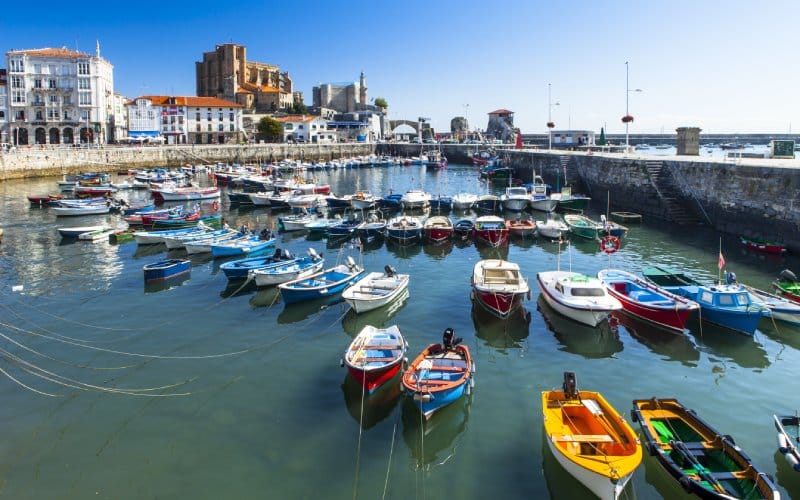 View of the port of Castro Urdiales. | Shutterstock
View of the port of Castro Urdiales. | Shutterstock
Castro Urdialesis a town of clear seafaring origin, a well-known destination for sun and beach. A walk through its streets and port evokes its fishing andmedievalpast. From the breakwater you can enjoy amagnificent view of the Gothic church of Santa María de la Asunción, the Casa de los Chelines and the castle of Santa Ana. Thismedieval fortressis linked by a bridge to thehermitageof Santa Ana.
Every Sunday for more than 800 years, the faithful of Castro and the pilgrims of theWay to Santiagohave been climbing the steps of the church and entering it. Its polychrome windows, pinnacles and buttresses are clear examples of its FrenchGothicstyle. Also not to be missed is its Puebla Vieja, where you can enjoy itsgastronomicspecialities in the narrow streets.
Laredo
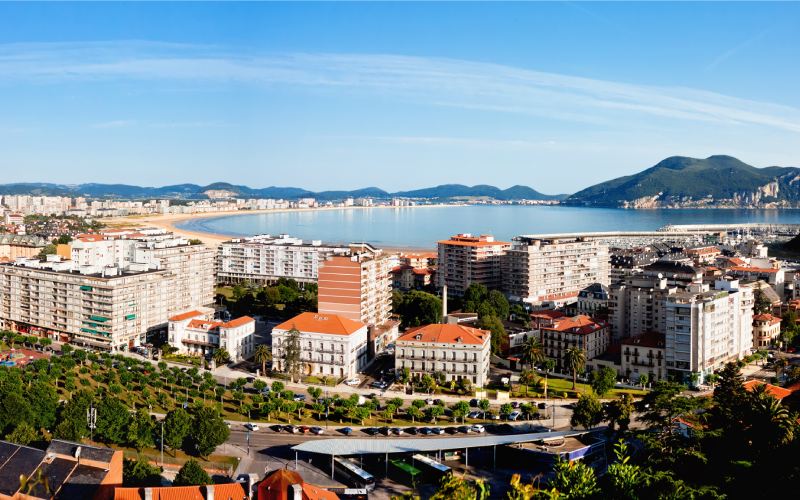 Panoramic view of Laredo. | Shutterstock
Panoramic view of Laredo. | Shutterstock
In the past,Laredo, as a royal port, witnessed a memorable departure. Joan of Castile, daughter of the Catholic Monarchs, departed for Flanders to marry Philip of Burgundy. A good place to start the visit is thePuebla Vieja and the Arrabal,where the remains of themedieval walland the Church of Nuestra Señora de la Asunción are preserved. The altarpiece of the Virgen de Belén, a great example of flamenco art in Cantabria, stands out.
Likewise, in the Puebla Vieja there arebuildingsof atraditional charactertogether with other much more noble ones. The palace ofZarautz, the house of the Pelegrín family, the convent of San Francisco or the house of the Alvarado family are good proof of this. As in all the corners of Cantabria that appear in this article, it is worth mentioning its remarkablegastronomy.
Santoña
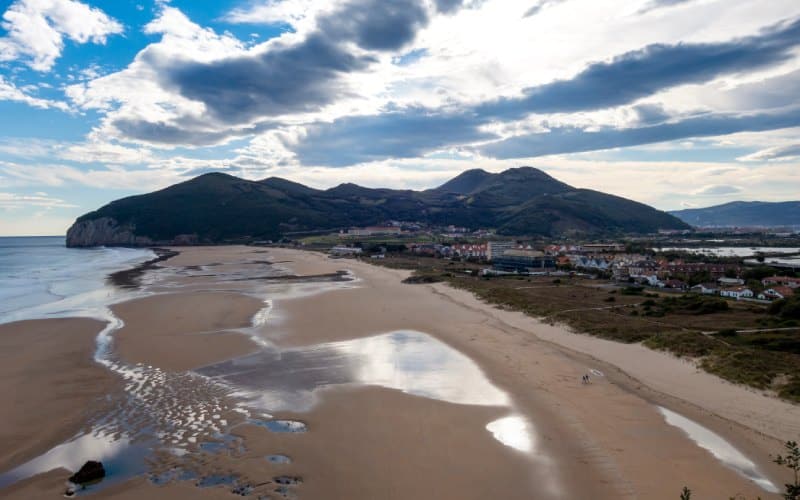 Panoramic view of Berria beach in Santoña. | Shutterstock
Panoramic view of Berria beach in Santoña. | Shutterstock
Right next to the plains that form theSantoñaand Noja Marshes Nature Reserve is the fishing town of Santoña. The aforementioned wetlands are among the most extensive in the north of the peninsula and are a refuge for thousands of birds. This place played an important role as a coastal defence.The forts of San Martín, San Carlos and Mazo are good examples of this. The suggested route starts at the Fort of San Martín, goes along the promenade and ends at the Church of Santa María del Puerto, another attraction of the town.
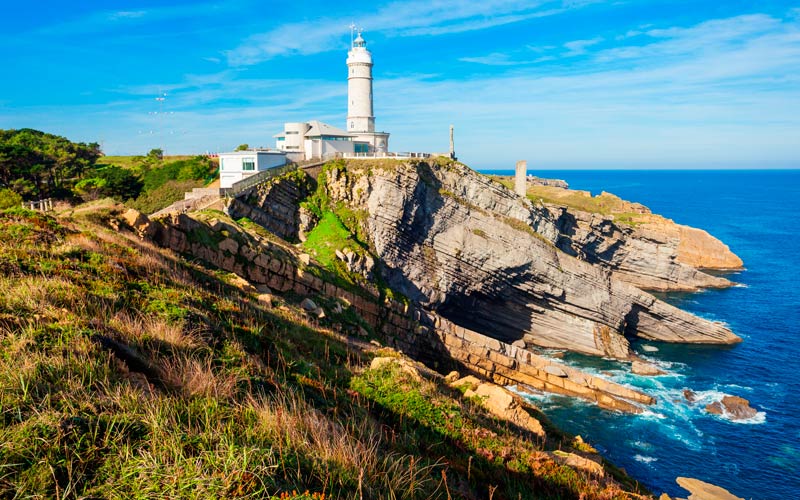
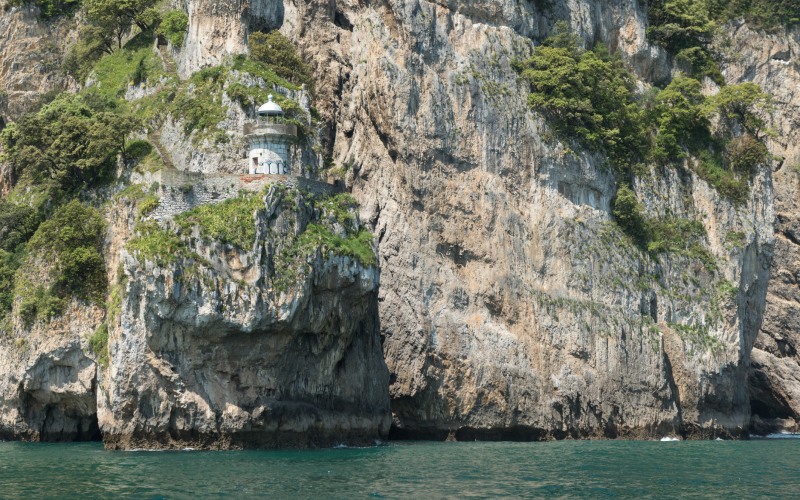
Once again, thegastronomyof the area deserves a special mention, since it is the capital of the anchovy.Next to Santoña is the Lighthouse of El Caballo, where it is possible to see some wonderful turquoise waters. This smalllighthouseis located on the edge of the cliffs and at the end of ahiking routewhose culmination is its 700 access steps. It is possible to make an excursion to the lighthouse by sea.
Santander
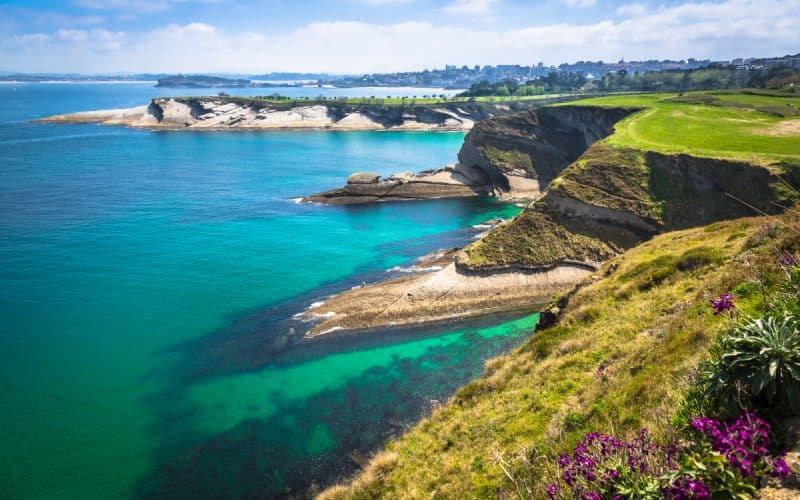 Views from the Bellavista lighthouse or Cabo Mayor. | Shutterstock
Views from the Bellavista lighthouse or Cabo Mayor. | Shutterstock
Santander, apart from being the capital of Cantabria, has a special charm due in large part to its bay. The city has two very different areas: the old town and the beaches. A walk through El Sardinero, a residential area, to the peninsula of La Magdalena allows you to return through the gardens of Piquío and have a Regma ice cream. It is worth noting that at the end of the 19th centuryEl Sardinero beach was one of the royal family’s favourites.
Back in the centre, there are always many different options for agood meal. At the same time, Santander’scathedralis a must-see, as are the Pereda gardens surrounded by the city’s most historic streets. Santander is a relatively new city asa fire in 1941 destroyed its old town. From the Cabo Mayor lighthouse you can enjoy one of the best sunsets in the city, only within reach of those who can be seen on the Mataleñas trail.
Suances
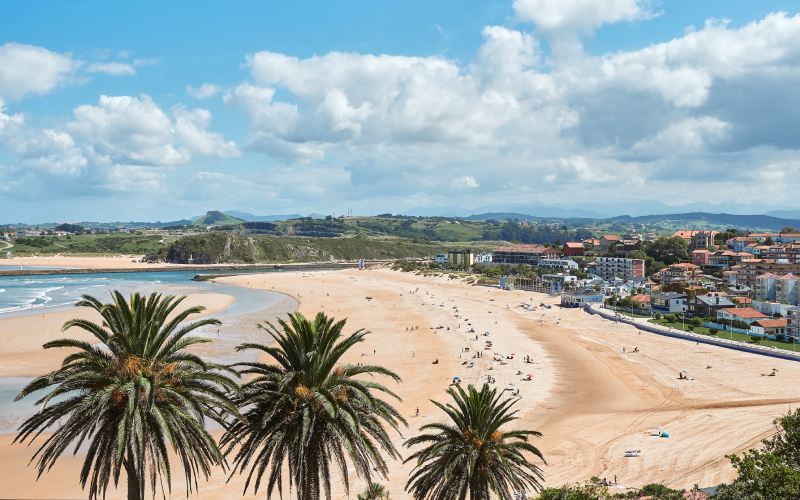 Aerial view of the beach and the village of Suances. | Shutterstock
Aerial view of the beach and the village of Suances. | Shutterstock
Speaking of sunsets, Suances has one of the best in the Cantabrian coast. Itsbeaches, its fishing activity and its undoubted tourist attraction are its most characteristic features. The town itself preserves its seafaring heritage with the district of La Cuba and the San Martín estuary. Meanwhile,the coastal part is where the most tourist activity is concentrated. The beach of La Concha, with its enormous sand beach, is worth mentioning. On the other hand, Los Locos beach is one of the several surfing enclaves in the area.
Day 2 – From Liérganes to San Vicente de la Barquera
Day 2 – From Liérganes to San Vicente de la Barquera
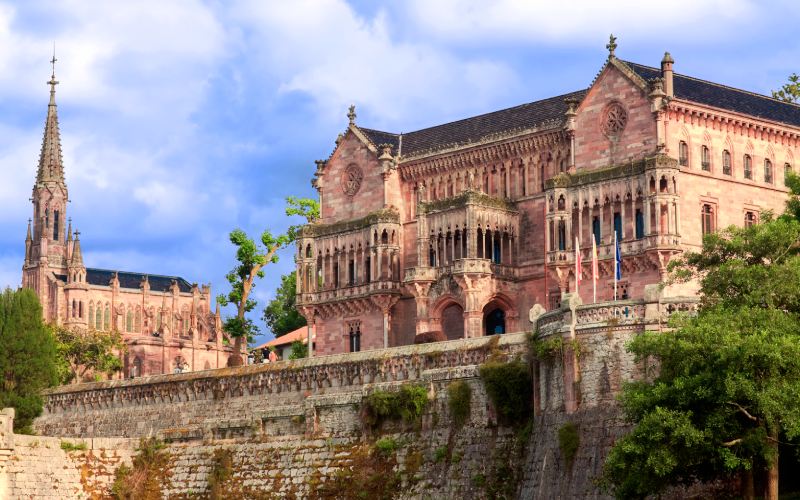 Chapel-pantheon and palace of Sobrellano. | Shutterstock
Chapel-pantheon and palace of Sobrellano. | Shutterstock
The second day offers a route again close to the coast, before heading towards thePicos de Europa. This part of the coast of Cantabria, and its villages, has a long seafaring tradition, as well as an interesting historical side. It also hasone of the most outstanding natural landscapes of the whole Iberian Peninsula. In this case, you will be able to observe not only the coastal, tourist and defensive role of its populations, but also other shades that make up the Cantabrian soul. For example, the pilgrimages or its tension between sea and mountain.
Liérganes and Cabárceno
Liérganes and Cabárceno
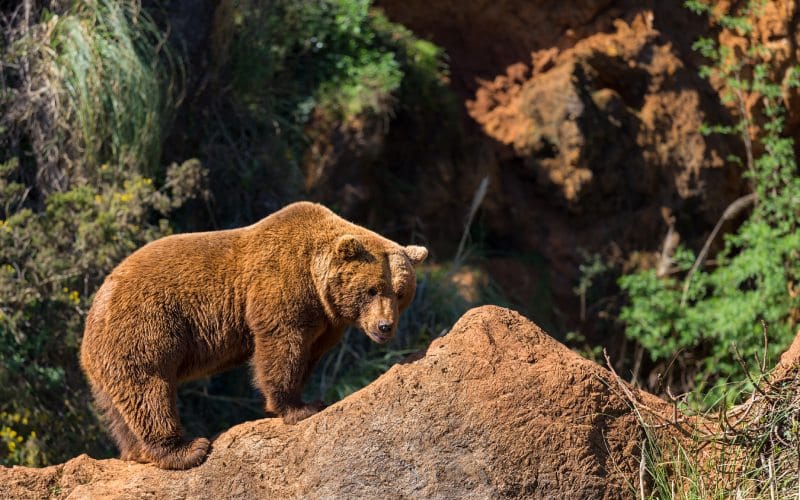 Brown Bear in Cabárceno. | Shutterstock
Brown Bear in Cabárceno. | Shutterstock
This marathon day starts in Liérganes. The legend of the fish-man tells thestory of Francisco de la Vega who disappeared in 1674while bathing in the river Miera. Years later he appeared on the coast ofCádiz, in the nets of some fishermen. It had scales and a fish shape. Regarding the village itself, it is considered one of the most beautiful in Spain. It is located at the foot of two mountains: Mariñón and Cotillamón, better known as “Las Tetas de Liérganes”. Cobblestone streets with balconies full of flowers allow you to buy local products. Likewise, the park of Cabárceno is a must if you travel with children.
Torrelavega
Torrelavega. | Shutterstock
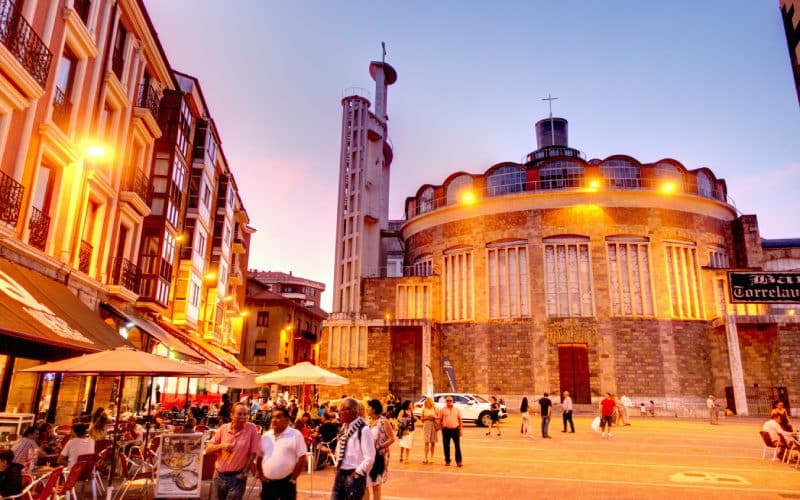 Torrelavega. | Shutterstock
It is considered the second most important city in Cantabria after Santander. Although it is an important industrial and commercial centre, Torrelavega has nothing to envy its peers when it comes to attractions.Depending on what you want to do in Cantabria; there are different itineraries, in some cases free offered by the town hall. In just a couple of hours it is possible to visit, for example, thePlazaBaldomero Iglesias, the church of the Virgen Grande, the Casa de los Escudos and the church of the Asunción. But if you also want to enjoy nature, the Manuel Barquín Park, the Viesca Park and the Dobra Peak will satisfy your desires.
Santillana del Mar – Cave of Altamira
Santillana del Mar – Cave of Altamira
Cave of Altamira. | Shutterstock
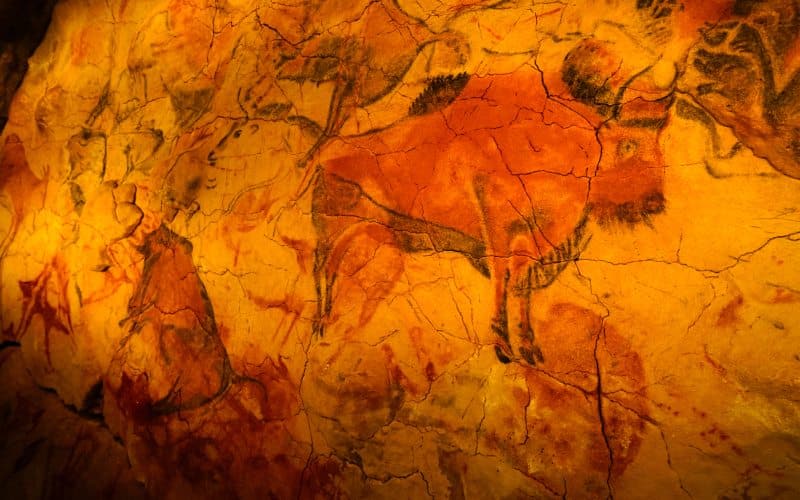 Cave of Altamira. | Shutterstock
Santillana del Maris one of the towns with the greatest historical and artistic value in Spain. The purely medieval old town is organized around two main streets, Carrera and Juan Infante. Thecollegiate church of Santa Juliana, the old stone washing place, the main square and the towers of Merino and Don Borja are worth mentioning. Alternatives foreatingin the town are also notorious, with quesadas, cider and sobaos as the main dishes.
A special mention of the town is the famousCave of Altamira, theSistine Chapelof European cave art. It is aworld reference of the Upper Palaeolithic art. Since 2001 it is possible to visit a replica of the cave and thus avoid the deterioration of the original.
Comillas
El Capricho de Gaudí. | Shutterstock
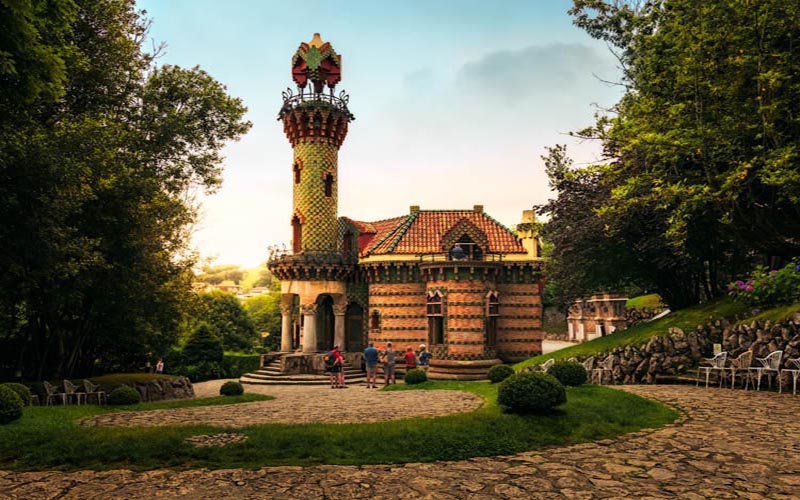 El Capricho de Gaudí. | Shutterstock
Comillasis a splendid monumental complex that stands out in the midst of a natural and scenic environment. It is one of the few modernist enclaves located outside of Catalonia where it is possible to contemplate works byGaudí, Llimona and Martorell. It is known by thenickname of “Villa of the Archbishops”. Among the examples of 19th century modernist architecture, theCapricho by Gaudí, the Pontifical University, theSobrellano Palaceand the Gothic cemetery stand out. This cultural environment does not prevent us from enjoying, as in the rest of Cantabria, one of the bestcuisinesin the region.
San Vicente de la Barquera
San Vicente de la Barquera
San Vicente de la Barquera. | Shutterstock
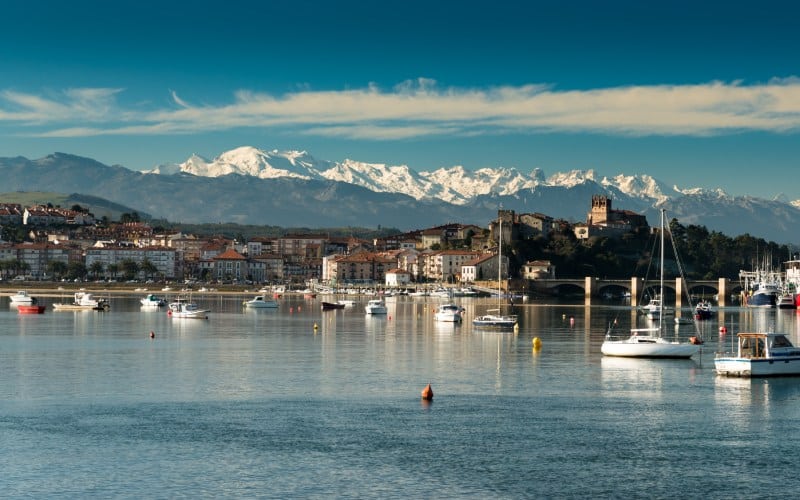 San Vicente de la Barquera. | Shutterstock
Next toAsturiasthere is a beautiful fishing village with a charming old town.San Vicente de la Barquerais also located in the heart of theOyambre Natural Park. The church of Santa María de los Ángeles, thecastle and the Picos de Europain the background combine to create a remarkable setting. Meanwhile, theruinsof the convent and church of San Luis and the hermitage of the Virgen de la Barquera are other highlights. The smell of fresh seafood bears witness to what it has to offer on agastronomiclevel. Thisfishingand seafaring village hashigh quality beachesthat are especially outstanding in the summer season.
Day 3 – Picos de Europa
Day 3 – Picos de Europa
As a last day it is intended toreach the Picos de Europa. This mountainous massif is shared between Cantabria,Leónand the Principality of Asturias. With heights of up to 2,500 metres and large viewpoints, they are a must for anyone who enjoysactive tourism.
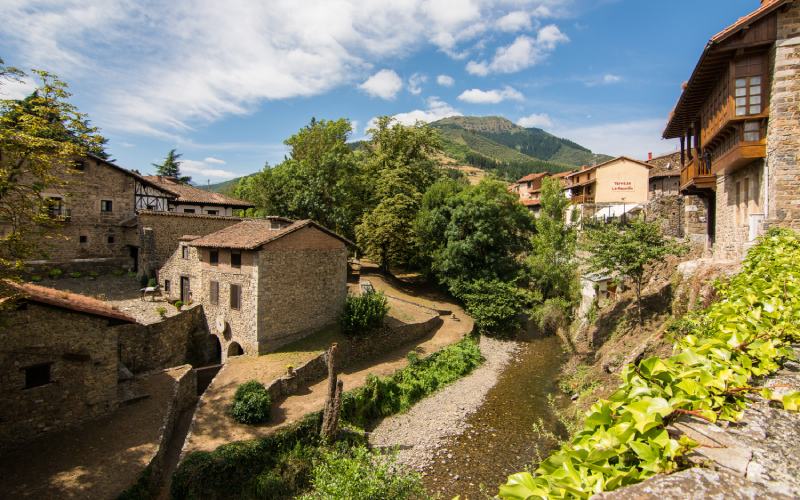 Potes. | Shutterstock
Potes - Santa Catalina Viewpoint, the balcony of La Hermida
Potes - Santa Catalina Viewpoint, the balcony of La Hermida
Potes. | Shutterstock
Theviewpointof Santa Catalina, the balcony of La Hermida, is one of the most spectacular in Cantabria. Therefore, it is a must in the area.Potesis also a mecca for active tourism in Cantabria.Its old town invites you to take long walkson its cobbled grounds. It is completely surrounded bymountainsand is the ideal starting point for hiking, climbing, mountain biking or skiing. As far as gastronomy is concerned, you cannot miss the opportunity to try the cocido lebaniego.
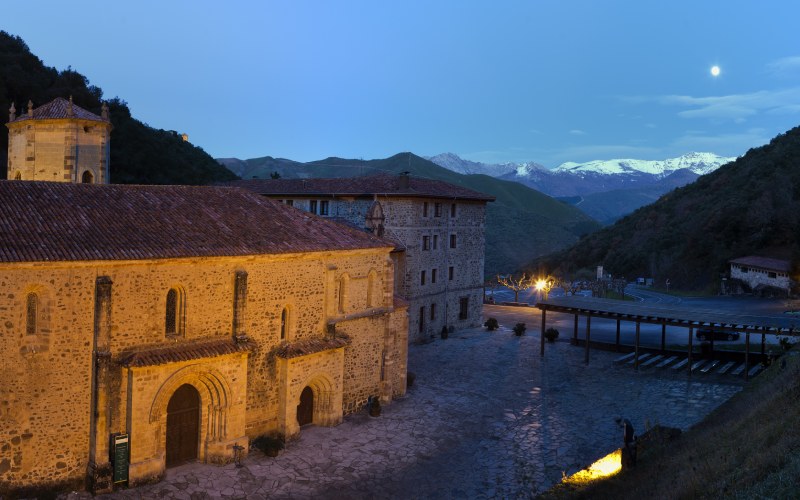 Santo Toribio de Liébana. | Shutterstock
Santo Toribio de Liébana Monastery
Santo Toribio de Liébana Monastery
Santo Toribio de Liébana. | Shutterstock
This late 13th century Franciscan monastery houses works by Beato de Liébana and one of the largest known pieces ofLignum Crucis. In its surroundings are the Holy Cave (pre-Romanesque), the ruins of the sanctuary of Santa Catalina, thehermitage of San Juan de la Casería and that of San Miguel. The most interesting construction is undoubtedly its church, which has undergone frequent remodelling over time. It has a rectangular floor plan and three naves, and in its central part stands the bell tower. A baroque vaulted chapel contains the supposed piece of the cross where Jesus Christ died.
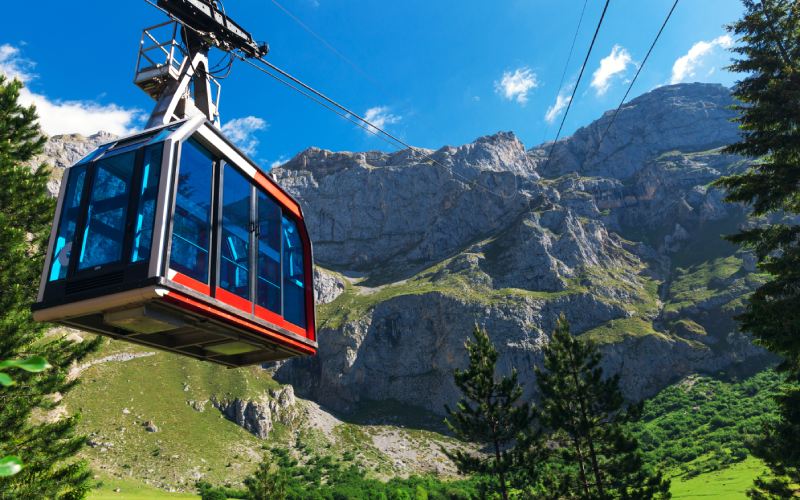 Cable car of Fuente Dé. | Shutterstock
Cable car of Fuente Dé
Cable car of Fuente Dé
Cable car of Fuente Dé. | Shutterstock
If you want to enjoy the wild beauty of the Picos de Europa, walk andhike in the national park, this is the ideal place. The cable car, inaugurated in 1966, leads to a wide viewpoint. A good option is to go down the path on foot instead of taking the cable car again. It is 14 km and four hours of nature. Fuente Dé is anisolated but charming village.
Argüeso
Cantabrian village of Argüeso. | Shutterstock
Argüeso is a reproduction of a Cantabrian village, which shows the daily life of the Iron Age. This archaeological park offers its visitors a fairly accurate view of what would be thedaily life of the ancient Cantabrians. You can opt for a guided tour of more than an hour where you can visit the huts, observe the original construction methods and do an endless number of activities that allow you to learn through play.
El Soplao Cave
Cave of El Soplao. | Shutterstock
Discovered at the beginning of the 20th century; it holds a geological treasure in the form ofstalactites, stalagmites and eccentricformations. You can take a guided tour combining a train and a walking tour of one hour. The more courageous can opt for a longer tour, on foot with a helmet and headset. In all of them, the mining past of the place is also reviewed.
Источник: Fascinating Spain