This village is Spain’s greatest movie set
• Fascinating Spain
• Community of Madrid
Chinchón is one of those destinations thatmake you feel like you are in a movie, and we will probably want to play this memory in our heads a thousand times! The history of thisVillain the Community of Madrid goes way back, like a script for the traveler to follow. The set is ready now. The main square, acastle, a theatre…
Lights, Camera, Action!
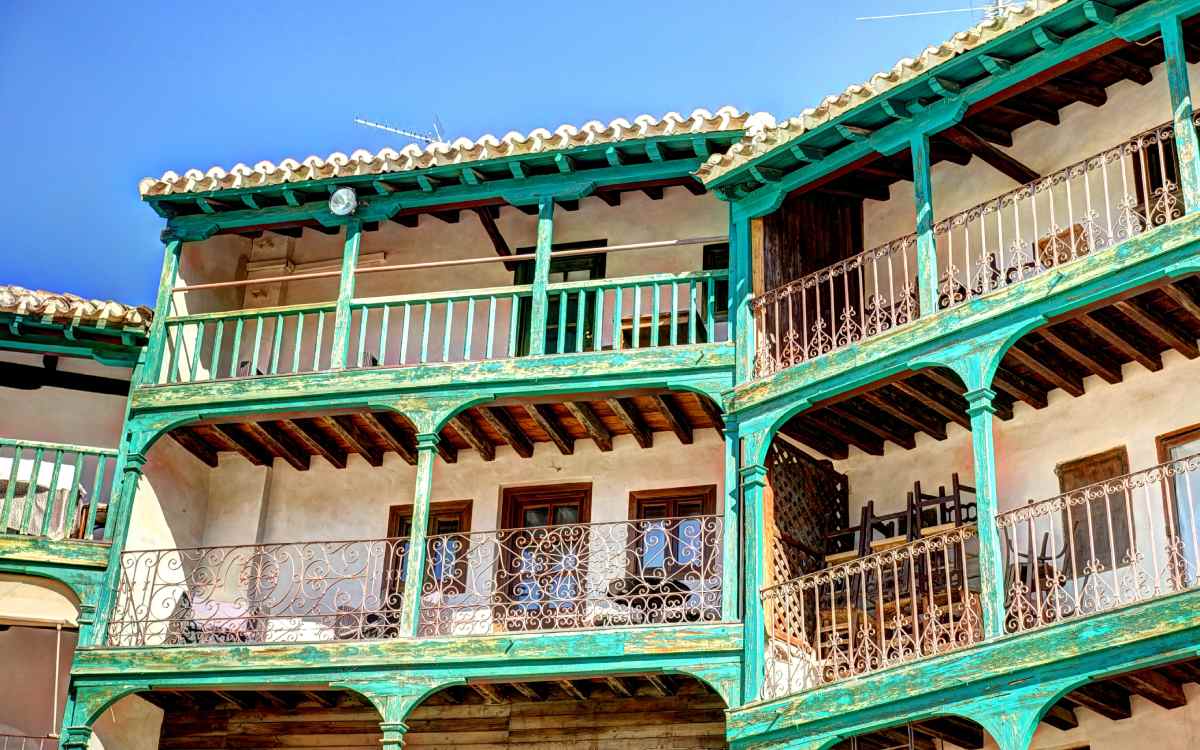 Typical balconies in Chinchón. | Shutterstock
Revisiting the set
Typical balconies in Chinchón. | Shutterstock
If we travel 28 miles to the south-west of Madrid, we will soon begin to catcha cinematic scent. Located near Aranjuez, in the watershed of the Tajo and Jaramarivers, this historical spot will appear before us once we cross the bridge of Arganda.
After we leave the river behind, we will be able to park the car in the parking lot ofSan Roque, next to the convent of “Las Clarisas”, a beautiful piece of religious architecture. The windows there let out the tempting smell of the sweets baked by the nuns.
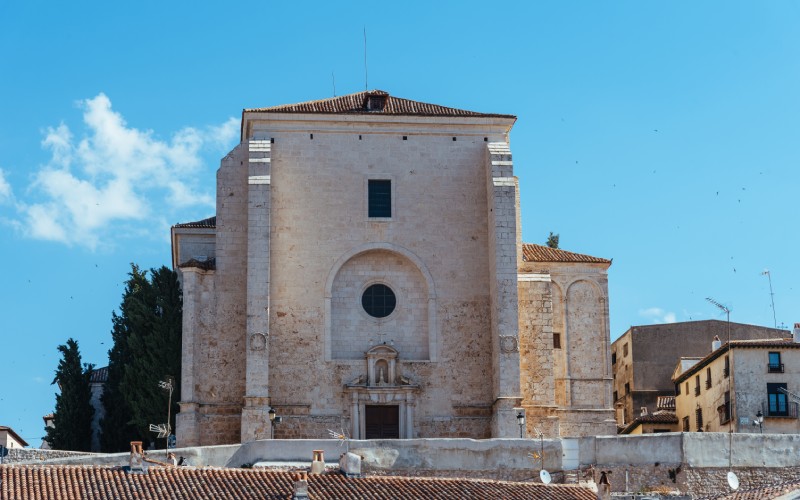 The church of Nuestra Señora de la Asunción. | Shutterstock
The church of Nuestra Señora de la Asunción. | Shutterstock
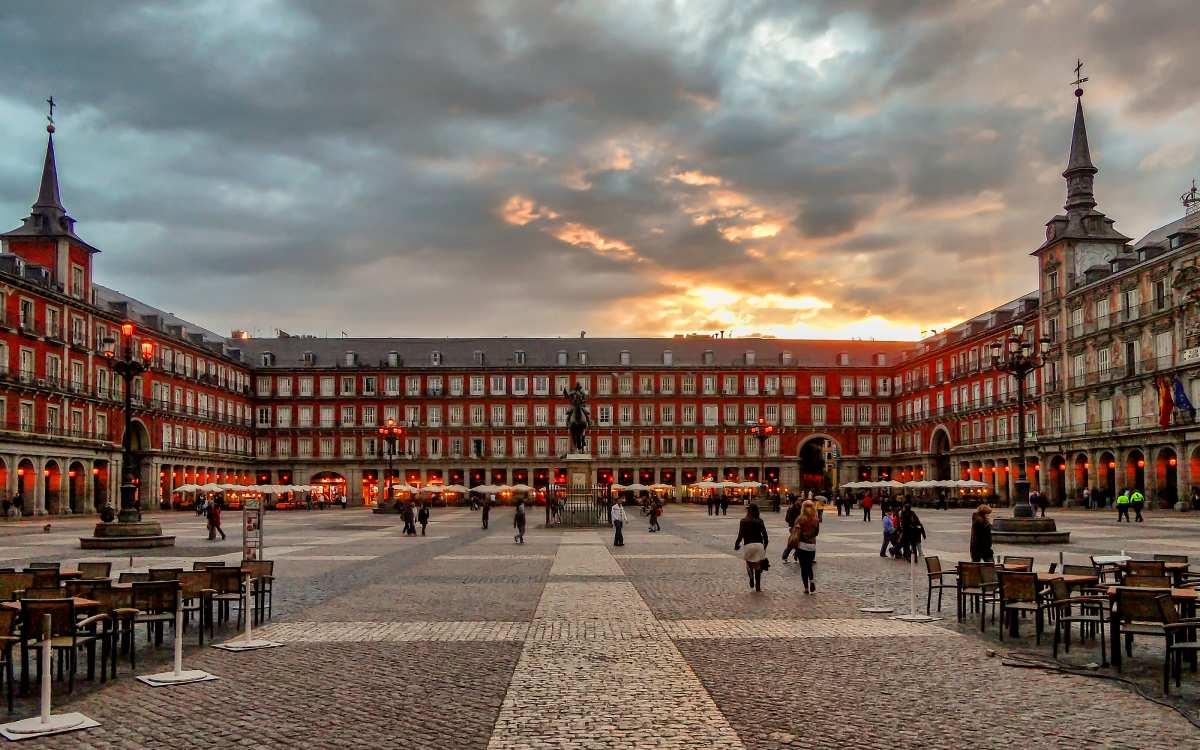
Now it’s time to explore the old town. We might walk around its streets or seek the shelter of the porches.Every step draws us a little closer to falling in lovewith thisvillagein Madrid, just like it happened to Citizen Kane. The love story begins with a meet cute in the main square. 234 balconies make up a scene that will seem familiar to many due to its role as a bullring in the movieAround the World in 80 Days. No matter if we have seen it or not, we will fall in love at first sight.
This set has served different purposes since it was built between the 15thand 16thcenturies. Indeed, it has been acorral de comedias—a traditional Spanish theater—and a livestock fair, besides a walking area for Juana I and Felipe I of Castile. Now it’s a meeting point for both travelers and the citizens of Chinchón.The church of Nuestra Señora de la Asunciónrests on the square too. It dates back to the 17thcentury, although it was rebuilt after the French troops set it on fire. Inside thechurch, the main altarpiece keeps an Assumption of Mary by Spanish painter Francisco de Goya.
A motion picture of castles and theaters
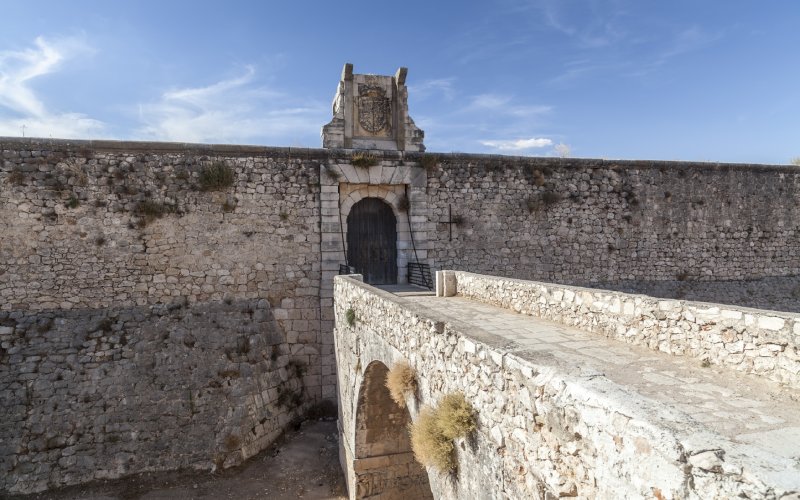 The castle of Chinchón. | Shutterstock
A motion picture of castles and theaters
The castle of Chinchón. | Shutterstock
The castle of Chincón, or “Castillo de los Condes”, which dates back to the 15thcentury, has survived several attacks and sieges. However, it stands, timeless, displaying a stunning silhouette. At this point, Chinchón has already won the traveler’s attention. However, there is still a good amount of video footage to see.
We might now head to the convent of San Agustín, currentparadorthat hosts tourists. Its long corridors still reminiscethe quiet study hours that many spent there learning humanistic matters. Similarly, the annexedchapelof Nuestra Señora del Rosario conveys the peacefulness of its prayers.
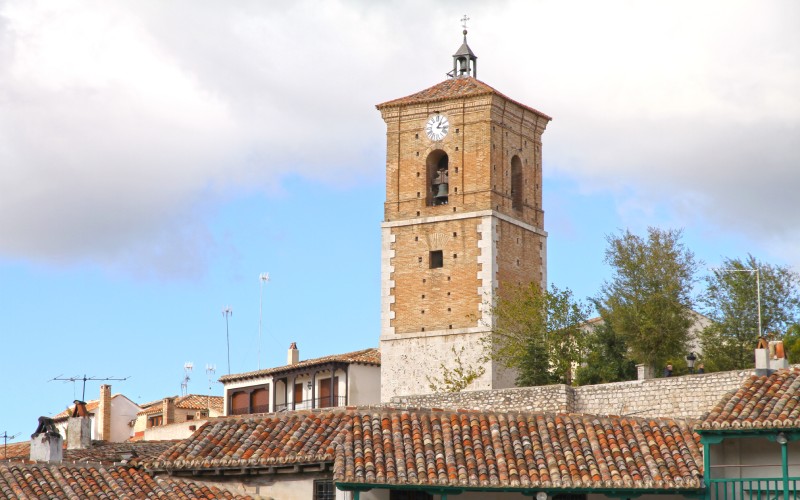 The tower clock in Chinchón. | Shutterstock
The tower clock in Chinchón. | Shutterstock
We can sense nearby the ghost of the church of Nuestra Señora de Gracia, which was destroyed during the Peninsular War. Before that, an important historical figure arrived at Chinchón. Indeed, in February 1706 Felipe V stayed atCasa de la Cadena, a three-flooredbaroquebuilding with a chain on the door to honor the visitors. From this point, the roads take us to the main square, a place where there are always new things to unfold, like the old wash house, currently a tourist office, or the city hall, standing there since 1499.
The tower clock tells us it’s time to watch a play in the theater of Lope de Vega, whose name alludes to the time the Spanish playwright spent in Chinchón. A round of applause travels through the air. The traveler should soon get ready to producea sequel of the wonders around them. Over the valley of the Tajuña, thecastleof Casasola recalls times long past. This place also serves as the starting point of routes heading to Aranjuez, Ocaña or Cuenca.
The theater of Lope de Vega. | Shutterstock
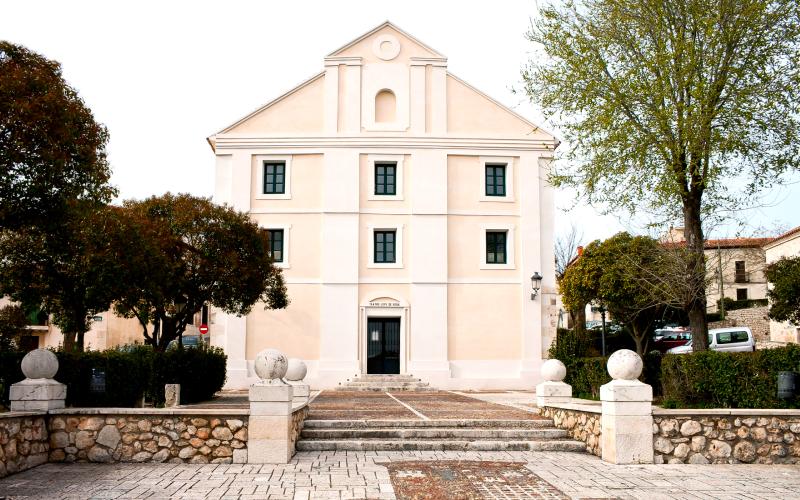 The theater of Lope de Vega. | Shutterstock
Lastly, we shall revisit thesquareand its restaurants. When the end credits start running, we could enjoy a dish of meat or garlic with anise, making a toast with a local liquor. Let’s raise a glass to the fact that,in Chinchón, the end is only a new beginning. There will be more summers full of festivities, medieval markets, etc. See you again, Chinchón.
Источник: Fascinating Spain