Valles Pasiegos, Cantabria’s green treasure
• Fascinating Spain
• Cantabria
In the heart ofCantabria, the Valles Pasiegos are one of the most spectacular places to visit. A perfect combination of man and nature that explains, in part, why it is a paradise for lovers ofrural tourism. The valleys are divided into three: the Miera, the Pas and the Pisueña.Mountains, trails, rivers, charming cabins and a great environmental wealth. This, together with the Pasiegocultureand theirpeculiar way of life, make them a unique destination. Best of all, they can be seen in three days.
Three-day route through the Valles Pasiegos
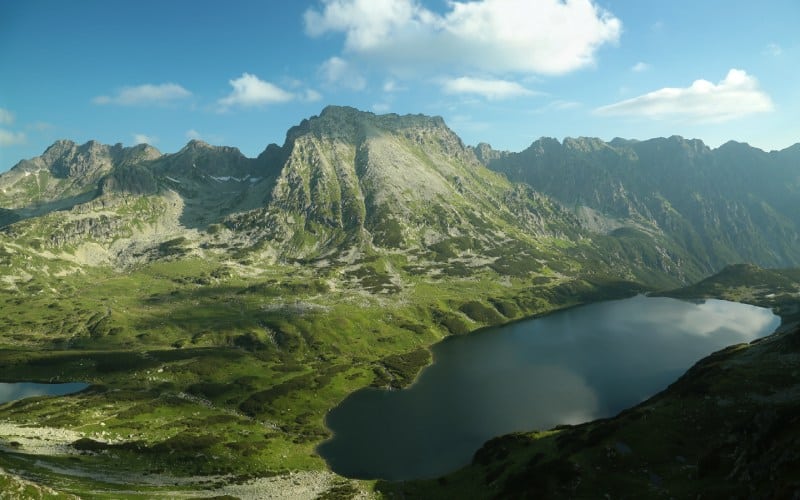 Surroundings of the Valles Pasiegos in Cantabria. | Shutterstock
Starting in the Miera valley, the most authentic Cantabria
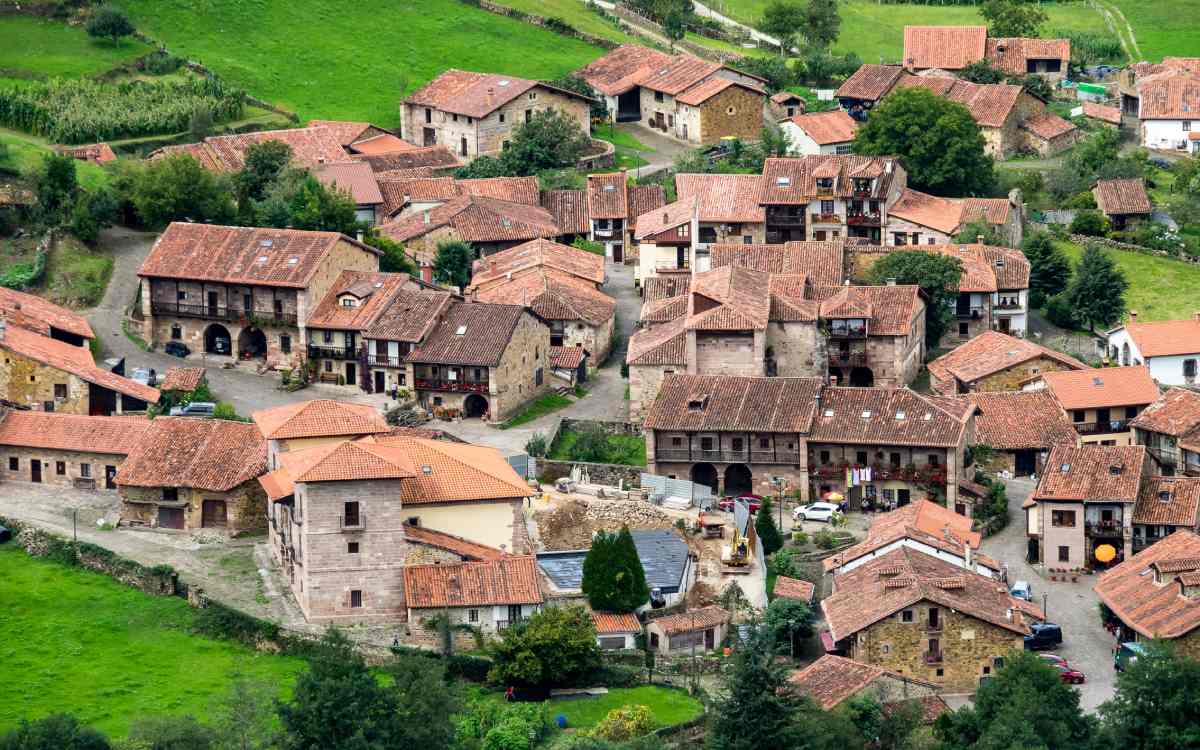
The Miera Valley is the narrowest of the three, located a short distance fromSantander. It stands out for its karst and limestone landscapes with a glacial origin, together with its picturesque typical houses. Travelling through this beautiful spot is to discover a classic morphology ofglaciers, and it is possible to clearly contemplate the cirques and moraines.
It stands out for its rich cultural heritage, which is divided into the Pasiego culture, with numerous huts, river mills andtrailsthat run through thenatureof the valley, as well as the typical architecture, especially the Historic-Artistic Site ofLiérganes. The first stop in the valley begins in Pámanes, to discover the beautiful 18th century ElsedoPalace, one of the most impressiveBaroqueconstructions in the region. Some of its rooms are open to the public andit houses exhibitions of modern art works by prestigious artistssuch as Chillida, María Blanchard and Pablo Serrano.
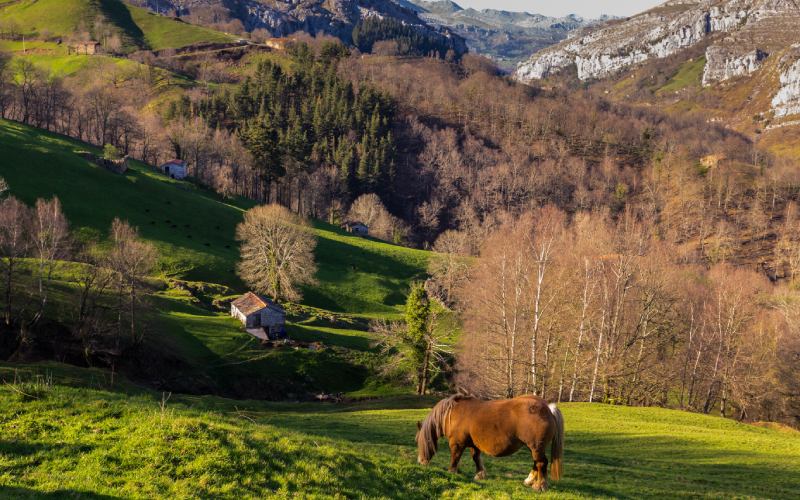 A view of the Valles Pasiegos. | Shutterstock
Lérganes is 6 kilometres away, one of the most important tourist attractions in the Valles Pasiegos. It is considered one of the most beautifulmedieval villagesinCantabria, located in aunique natural environmentand known for its charming houses with balconies full of flowers. One of the best experiences here is towander through the narrow cobbled streets of the old town, known as the Mercadillo district. Nestled here are several mansions of classicist architecture, such as the Langre house, the Setíen mansion or the house of the Cañones.
One of its most outstanding monuments is the Mayor bridge, known as theRomanbridge, located over the river Miera and connecting the El Calgar neighbourhood with the old town. In addition to its impressive architecture,it offers one of the best panoramic views with the Marimón and Cotillamón peaksin the background. One of the most spectacular spots of the valleys.
Under the bridge is the statue of the Fish Man, a legendary being from the mythology of Cantabria. The best place to learn more about thislegendis the Fish Man Interpretation Centre, located in an old flour mill dating from 1667. To end the day, visit the Gothic church of San Pantaleón, which still preservesRomanesquefeatures and two Baroque altarpieces.Next to the church is a swing with the best views of the village. The ideal place to watch thesunset.
Pisueña Valley, home to Cabárceno Park
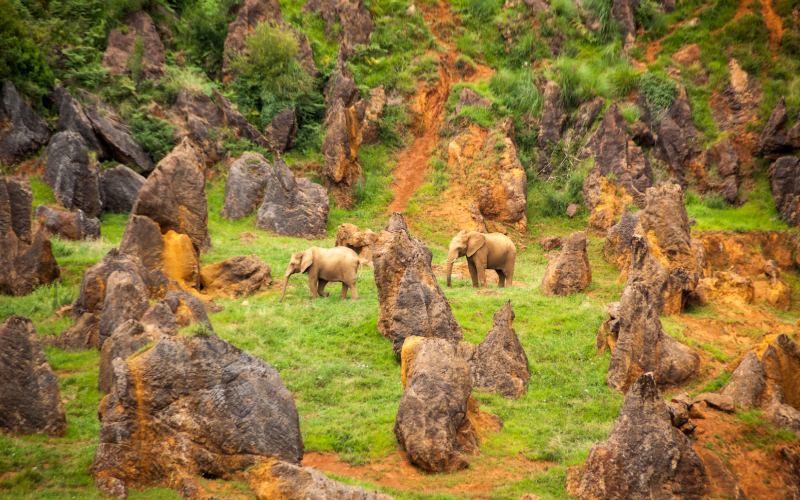 Cabárceno Nature Park. | Shutterstock
The Pisueña Valley is home to the popular Cabárceno Nature Park,a place where you can see animals in semi-freedom. It is noted for housing animals from all five continents, including elephants, giraffes, cheetahs and bears. It is one of the most popular tourist attractions in Cantabria. Thisparkcan be visited in a full day, but also in the morning or afternoon. The most suitable option if you want to enjoy the rest of the day visiting other places in the PisueñaValleyin the Valles Pasiegos is to choose the half-day ticket.
After visiting the Cabárceno park, you can take a simplehiking routeto the source of the Pisueña river, which starts in a village of the same name. Just 30 minutes by car from the park, asignposted trail suitable for all ages, which allows you to discover the landscapes of the area and some of the typical constructions of the valleys.
During the walk it is possible to contemplate the unique balance between the Pasiego huts for the use of the livestock farmers in the area and the oak and beech trees that give shape to the peculiar landscape. To end the day,it is worth visiting the village of Villacarriedo, known for its majestichistoric-artistic site. From the Baroque palace of Soñanes, the school of the Padres Escolapios, the charming mountain houses and its smallchurchesthat have stood the test of time.
Villages with a unique charm in the Pas Valley
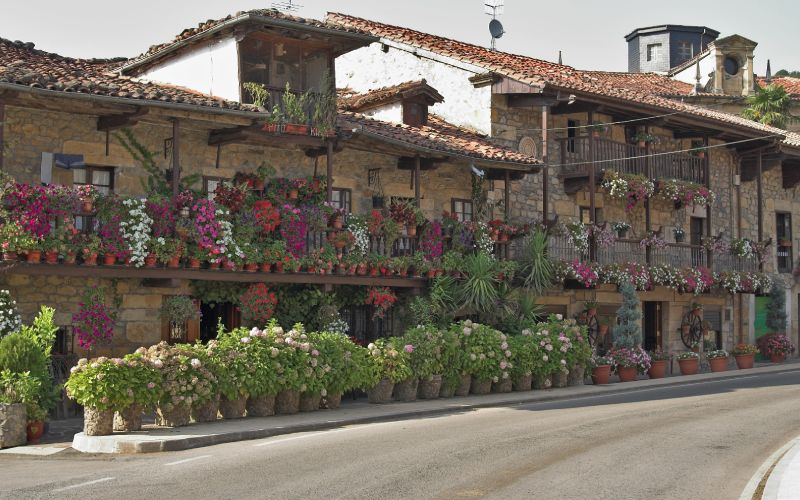 Villacarriedo, Pisueña Valley. |Shutterstock
The village of Vega de Pas is one of the ‘three Pasiego villages’, together with San Pedro del Romeral and San Roque de Riomiera. It is a charming village built inmedievaltimes. Its square stands out, where you can see the typical houses of the area, with wooden balconies and stone façades that give the place a picture postcard image.Among its most significant monuments are the parish church and the Doctor Madrazo sanatorium.
On the way to Puente Viesgo it is worthmaking a stop to visit the Hombre y Campo museumin San Vicente de Toranzo. It has a largeexhibitionof objects related to peasant life andtraditionalactivities in the area.
A 30-minute drive away is Viesgobridge, one of the obligatory stops on any route through the Valles Pasiegos. Here you will findone of the most important prehistoric cave complexes showing Palaeolithic art. Thecavesit houses are known as: El Castillo, Las Chimeneas, Las Monedas and La Pasiega. The village is also known for its famousspathat takes advantage of the medicinal waters of the spring.
The Valles Pasiegos are areal treasure in the province of Cantabria. Located just a few metres fromSantander, you can enjoy a unique natural setting anddiscover the peculiar Pasiego culture.
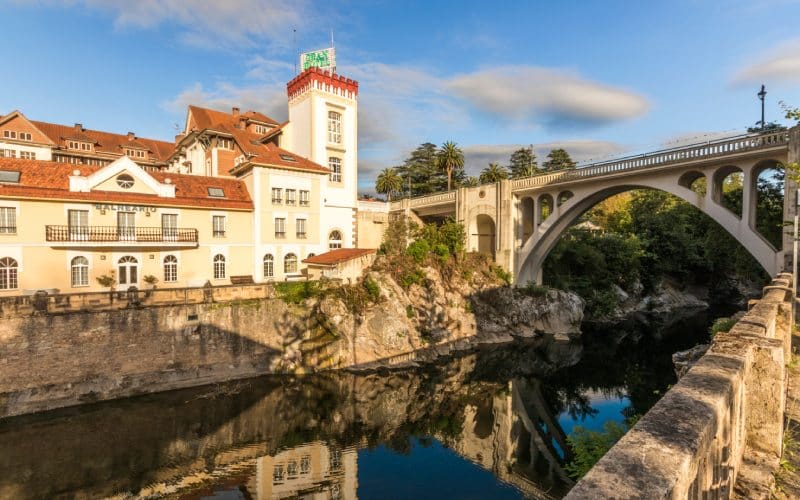 Puente Viesgo, Pas Valley. | Shutterstock
Источник: Fascinating Spain